My Take on Colorful Vegetables: Delicious Recipes for Summer
Updated: Sep 2, 2025
The Joy of Farmers' Markets
Every so often, I enjoy wandering through a farmers' market. The vibrant colors of vegetables on display are captivating. They look fresher and more inviting than those in grocery stores. I love chatting with farmers about their produce. They often share great recipe suggestions too!
I truly believe you can taste the difference in colors. At this time of year, I like to make various recipes featuring raw vegetables. These dishes help maintain the vibrant colors and are perfect for serving cold or cooking on the barbecue. Most of my recipes are summer side dishes, unless you are a committed vegetarian! Guests always comment on the stunning colors at the table.
Nutritional Benefits of Colorful Vegetables
Beyond their appearance, brightly colored vegetables are incredibly nutritious. Their vivid hues come from phytonutrients—plant chemicals that protect cells and boost health.
Zucchini (green): Contains lutein for healthy eyes and antioxidants to protect cells.
Deep red beetroot: Packed with betalains for anti-inflammatory and antioxidant benefits, plus natural nitrates for improved blood flow.
Orange or golden beetroot: Rich in beta-carotene, supporting skin, eyes, and immunity.
Colored cauliflower (purple, orange, green): Adds anthocyanins, beta-carotene, and vitamin C.
Red cabbage: Full of anthocyanins, promoting brain and heart health.
Yellow squash: Offers beta-carotene and vitamin A for immunity and skin health.
In short, the brighter the color, the more nutrient power it packs.
A Brief History of Colorful Vegetables
Humans have been drawn to colorful vegetables for thousands of years. Ancient Egyptians valued deep-green leafy plants for strength, while Romans cherished red cabbage for both food and medicine. Greeks cultivated beetroot around 300 BC for its leaves, later appreciating the root for its rich color. Golden and yellow squashes have been grown in the Americas for over 10,000 years. Purple cauliflower varieties were favored in Renaissance gardens for their novelty. Across Asia, colorful produce like purple eggplants and vibrant greens were celebrated for their balance in traditional medicine.
Throughout history, the colors on our plates have signaled freshness, variety, and vitality—a visual feast with real health benefits.
A Few Colorful Veggie Recipes for Summer
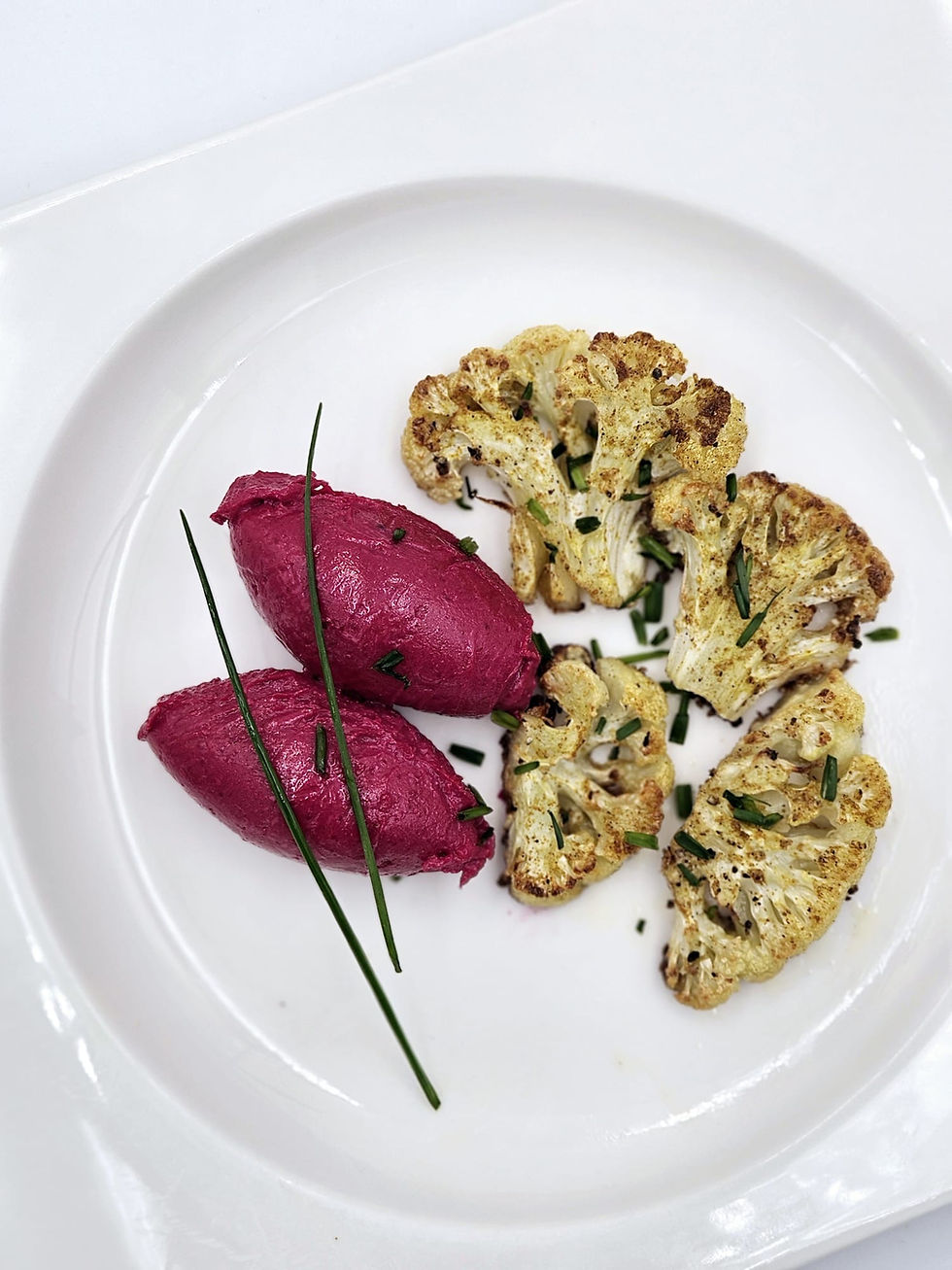
Roasted Cauliflower
Main Ingredients
Purple, Orange, Green, or White cauliflower (cut into steaks or broken into florets)
Cooking Instructions
Cauliflower can be roasted on a barbecue or in the oven. Create a flat bowl from aluminum foil, open at the top for the barbecue, or line an oven-proof dish with foil for the oven. Depending on the size of the steaks or florets, roast the cauliflower at 425°F for about 15-20 minutes. It should reach the desired tenderness and appear golden around the edges. Flip the cauliflower halfway through cooking for even roasting.
For one cauliflower, cut into ½ inch thick steaks (steaks need a bit of the hard core to hold together) or florets. Coat with the following:
4 tablespoons olive oil
½ teaspoon garlic powder
½ teaspoon sea salt
¼ teaspoon ground black pepper
¼ teaspoon ground paprika
After roasting, you can top the cauliflower with optional ingredients:
Toasted sesame seeds
Red pepper flakes
Chopped herbs of choice
You can also transform this roasted cauliflower into cauliflower cheese by topping it with cheese sauce and a little grated cheese, then grilling for a few moments.
Zucchini Ribbon Pasta with Lemon Dressing
This recipe turns zucchini into a healthy pasta-like dish.
Main Ingredients
2-3 Yellow zucchini
2-3 Green zucchini
For a side salad, allow for one-third of a medium zucchini per person.
Dressing (for approximately 6 medium-sized zucchinis)
1 tablespoon mayonnaise
2 tablespoons lemon juice
2 tablespoons extra virgin olive oil
½ cup shaved parmesan (or grated hard cheese of your choice)
¼ cup toasted pine nuts
Ground pepper and salt to taste
Method
To make zucchini ribbons, use a simple vegetable peeler for thin slices. For spaghetti zucchini, a spiralizer is needed. While these ribbons can be sautéed, they are delicious served raw in summer.
Wash and dry a medium-sized zucchini. Cut off both ends and slice thinly with the peeler as far down as the seeds. This should be done on all four sides. Discard or add the core of seeds to another stir-fry dish. Zucchini ribbons/seeds can be stored in an airtight container in the fridge for up to three days.
Add the lemon dressing, parmesan, and nuts just before serving.
To make zucchini spaghetti, a spiralizer is required.
Conventional and Thai Coleslaw
Main Ingredients (serving approx. 4 to 6 as a side dish)
3 cups red cabbage, cut into shreds
3 cups green cabbage, cut into shreds
3 medium carrots, shredded using a grater
Optional Ingredients
Bright colored beetroot (red or golden)
Red pepper, green onion, and chopped cilantro for Thai coleslaw
A few sprigs of chopped parsley for topping conventional coleslaw
Conventional Dressing (for above quantity of vegetables)
1 cup mayonnaise
2 teaspoons celery seeds (these really do make a difference!)
¼ cup white wine vinegar
1 tablespoon Dijon mustard
Maple syrup or sugar
Salt and black pepper to taste
Thai Dressing (for above quantity of vegetables)
80 ml sesame oil
40 ml rice wine vinegar
½ tablespoon soy sauce
1 teaspoon lime juice
¼ teaspoon powdered ginger (or fresh, to taste)
¼ teaspoon powdered garlic (or fresh, to taste)
¼ teaspoon chili (red pepper) flakes, to taste
Method
After removing the heavy outer leaves, rinse the cabbage. Cut it in half or quarters and remove the tough core. After cutting into shreds, wash the cabbage carefully and dry it. I usually soak my chopped salad in salt water to dislodge any soil or bugs. After straining and rinsing, dry the cabbage with a paper towel or salad spinner.
Rinse and peel the carrots and beetroot, then shred them using a grater or mandolin. You can also spiralize them if you have a spiralizer.
Notes
When mixing your dressings, use a handheld whisk or immersion blender. For the Thai dressing, an old glass jar with a well-sealed lid works great—just shake it up! Dressings should be added just before serving to prevent the vegetable colors, particularly red beetroot, from bleeding into each other.
Spiralizers
While I don't favor too many gadgets in my kitchen, I bought a spiralizer after an intriguing visit to a Japanese sushi kitchen over 25 years ago. It has proven to be of excellent quality, still working perfectly today. You can find cheaper options now, and they are great for turning most tuber or cylinder-shaped vegetables into spaghetti! If you love vegetables and want to eat more of them, I recommend investing in one. They are much more affordable these days and available at various retailers.
My Benriner! StarFit
Let's Talk
Please let me know how you fare with these recipes and if you have any suggestions for improvement! Send me your photos and comments.

Comments